


Our Networking & Fabric
AI-Ready Network & Fabric Infrastructure
High-performance connectivity for modern data centers
Enabling fast, scalable, and intelligent data movement across compute, storage, and applications in enterprise and AI environments.
Reliable and High-Performance Connectivity for Modern Data Centers
Data Center Switching
Data Center Switching for Scalable Network Infrastructure
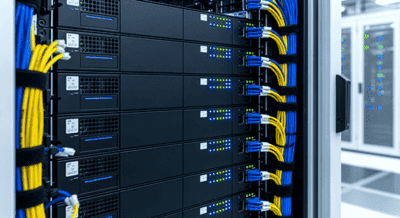
Data center switching provides the foundational connectivity layer for enterprise IT environments, enabling communication between servers, storage systems, and applications.
Modern switching platforms are designed to handle high volumes of east-west traffic within data centers, ensuring low latency, high throughput, and reliable performance. They support scalable architectures such as leaf-spine designs, allowing organizations to expand their infrastructure without compromising performance.
Architecture Role
Data center switches form the connectivity layer of infrastructure, linking compute and storage resources into a unified system.
Within this model:
- Access (leaf) switches connect servers and storage
- Aggregation (spine) switches provide high-speed interconnection
- Traffic flows efficiently across the network with minimal latency
This layer ensures that all components communicate effectively, supporting application performance and scalability.
Key Features
- High bandwidth switching capacity
- Low-latency packet forwarding
- Scalable leaf-spine architectures
- High availability and redundancy
- Advanced traffic management
Applications Include :

WHY UNITEK ?
- Enterprise-ready switching platforms
- Scalable network designs
- Alignment with modern data center architectures
Ultra-Low Latency Networking for AI and HPC Workloads
AI / HPC Fabric (InfiniBand / RoCE)
AI & HPC Fabric for High-Performance Computing Environments
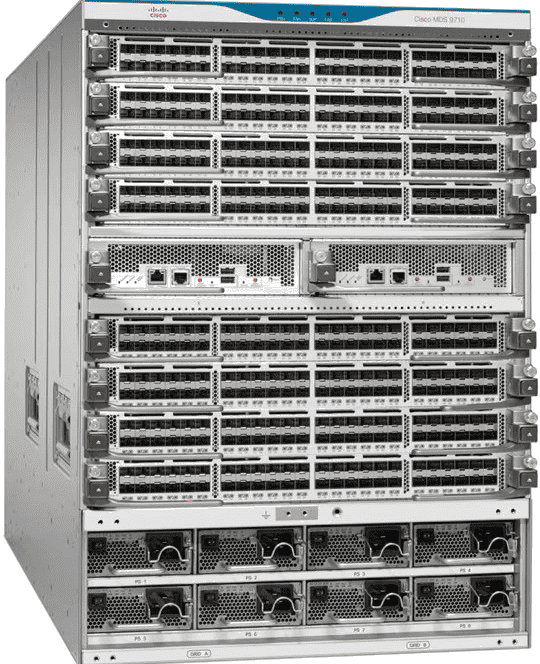
AI and HPC fabrics are specialized networking environments designed to support high-throughput, low-latency communication between compute nodes in GPU clusters and HPC systems.
These fabrics go beyond traditional Ethernet networking by enabling efficient data exchange for parallel workloads. Technologies such as InfiniBand and RDMA over Converged Ethernet (RoCE) are commonly used to minimize latency and maximize data transfer efficiency.
In AI and HPC environments, network performance directly impacts overall system efficiency, making fabric design a critical component of infrastructure.
Architecture Role
AI/HPC fabric serves as the east-west communication backbone of high-performance infrastructure.
Within this model:
- Compute nodes exchange data continuously
- Low-latency networking ensures synchronization
- High bandwidth enables efficient parallel processing
This layer is critical for maintaining performance across distributed systems, where communication speed directly affects compute efficiency.
Key Features
- Ultra-low latency communication
- High bandwidth connectivity
- RDMA-based data transfer
- Optimized for parallel workloads
- Scalable fabric architectur
Applications Include :
WHY UNITEK ?
- Support for AI-ready networking solutions
- Alignment with modern GPU and HPC environments
- Scalable and high-performance designs
Enabling High-Bandwidth Communication Across Infrastructure
High-Speed Interconnects
High-Speed Interconnects for Advanced System Connectivity
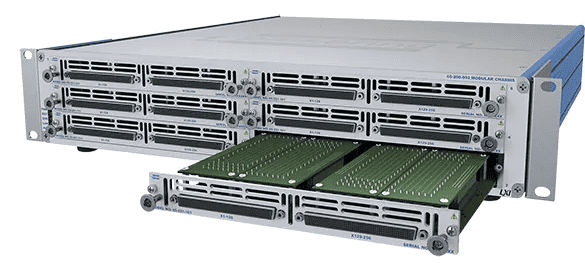
High-speed interconnects include the physical and logical connectivity components required to link servers, storage, and networking systems in modern infrastructure environments.
These components, such as network interface cards (NICs), cables, and transceivers, play a critical role in ensuring reliable and high-performance communication across systems.
As data volumes grow and workloads become more demanding, interconnect technologies must support higher speeds and lower latency to maintain overall system performance.
Architecture Role
High-speed interconnects form the physical connectivity layer within infrastructure architecture.
Within this model:
- NICs enable communication between servers and networks
- Cables and transceivers connect systems
- Data flows across infrastructure layers efficiently
They ensure that all components are physically connected and capable of supporting high-performance communication.
Key Features
- High-speed data transfer capabilities
- Low-latency communication
- Support for modern networking standards
- Reliable and scalable connectivity
Applications Include :
WHY UNITEK ?
- Comprehensive connectivity solutions
- High-performance components
- Ready for modern infrastructure demands


